Dreaming of a home makeover but worried about the costs? You’re not alone. Many homeowners in Delhi NCR assume that beautiful interiors require unlimited budgets, but that’s simply not true. A budget-friendly renovation is mainly about planning, prioritization, and choosing the right upgrades—not cutting corners everywhere.
At Dhanvique, we’ve helped clients refresh and renovate homes across New Delhi, Gurgaon, Noida, and NCR with practical strategies that deliver a premium look without unnecessary spending. Use this guide as your roadmap to renovate smartly—whether your budget is ₹1 lakh or ₹10 lakhs.
Quick takeaways (budget renovation rules)
- Spend on structure + essentials (waterproofing, electrical safety, hardware).
- Save on cosmetics (paint, décor, handles) that can be upgraded later.
- Always keep 10–15% contingency for surprises.
- Use one hero upgrade per room (feature wall, lighting, or a statement piece).
- Get itemized clarity: scope + materials + timeline. That’s how budgets stay under control.
Set a realistic budget (and stick to it)
Before you pick finishes, set your renovation budget in a clear band (for example, ₹2–3 lakhs) and lock the scope: repaint only, partial interiors, or a full renovation. Budget blowouts usually happen when the scope changes mid-way without re-checking costs.
“The biggest budget mistake is skipping contingency. Renovations uncover hidden issues—plan 10–15% from day one.”
Sample budget split (a practical starting point)
Here’s a sensible allocation that works for many Delhi NCR homes. Adjust based on your priorities (for example, a heavy kitchen upgrade needs a higher allocation there).
| Category | Ideal allocation | Why it matters |
|---|---|---|
| Kitchen + Bathrooms | 35–45% | High daily use + high ROI + plumbing/electrical complexity |
| Living + Bedrooms | 20–30% | Comfort, storage, and maximum visible impact |
| Painting + Flooring | 15–25% | Largest surface area = biggest transformation |
| Lighting + Electrical | 8–12% | Safety + ambience + functionality |
| Contingency | 10–15% | Protects you from surprises and change requests |

High-impact, low-cost upgrades (maximum visible change)
1) Fresh paint (the highest ROI upgrade)
Paint is the simplest way to modernize a space. For a premium look on a budget:
- Use a neutral base (warm whites, greige) and one accent shade
- Invest in surface prep (putty + sanding) for a smooth finish
- Repaint old furniture instead of replacing it
2) Hardware & fixtures refresh
Updating handles, knobs, faucets, and switches instantly makes cabinets and doors feel new. It’s one of the least disruptive upgrades with the biggest “before/after” effect.
3) Lighting makeover (ambience without heavy construction)
Good lighting makes budget interiors look premium. Try:
- Warm LEDs for living rooms and bedrooms
- LED strip under cabinets (kitchen) and behind TV panels
- One statement pendant over dining/bedside instead of many expensive pieces
4) Refurbish instead of replace
Reupholstery, polishing, repainting, and laminate refresh can revive furniture at a fraction of new costs—especially when you already have solid pieces that look dated.
Where to invest (for durability + daily comfort)
On a budget, invest in areas that prevent future repair and improve everyday use:
- Waterproofing: bathrooms and wet areas (always worth it)
- Kitchen hardware: hinges, channels, baskets (functionality matters daily)
- Electrical safety: proper wiring, MCBs, earthing, load planning
- Flooring in high-traffic zones: durable, easy-clean options
Room-by-room renovation checklist
Use this checklist to plan upgrades without overspending. Pick 3–5 items per room based on impact.
Living room
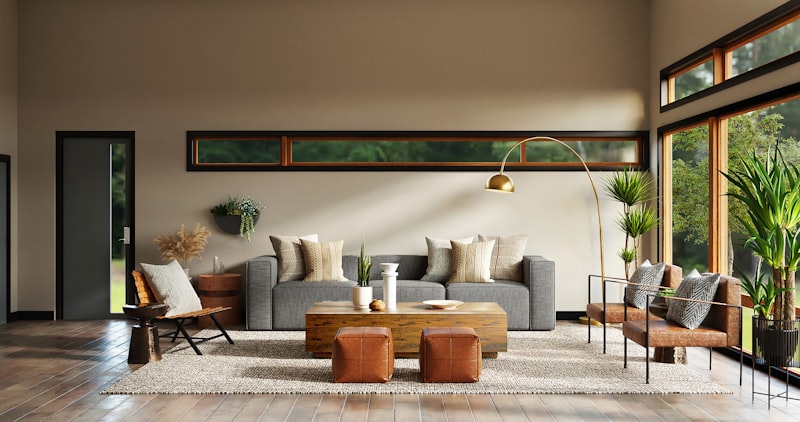
- Feature wall paint or texture (one wall only)
- Layered lighting (ambient + accent)
- Upgrade curtains to a clean, modern fabric
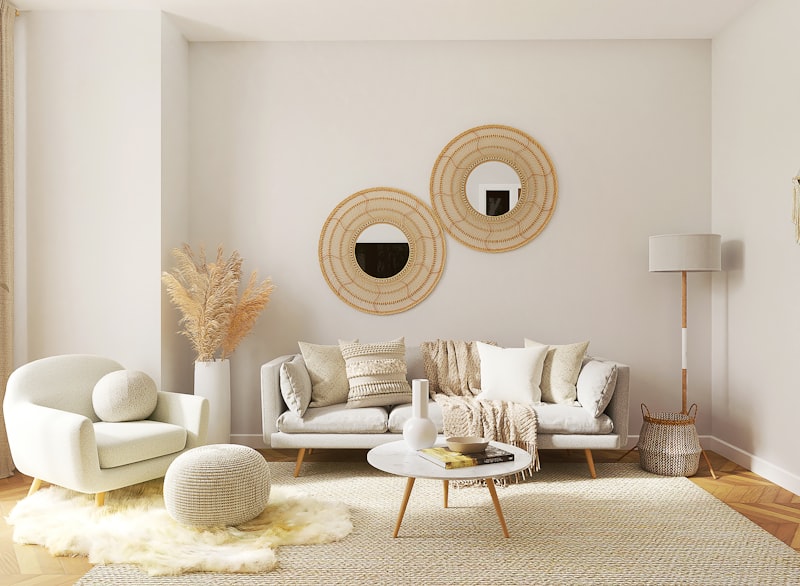
- One hero décor piece (art / mirror / rug)
Bedrooms
- Wardrobe interior optimization (shelves + drawers)
- Bedside lighting and warm bulbs
- Paint refresh + minimal wall décor
- Under-bed storage solutions
Kitchen
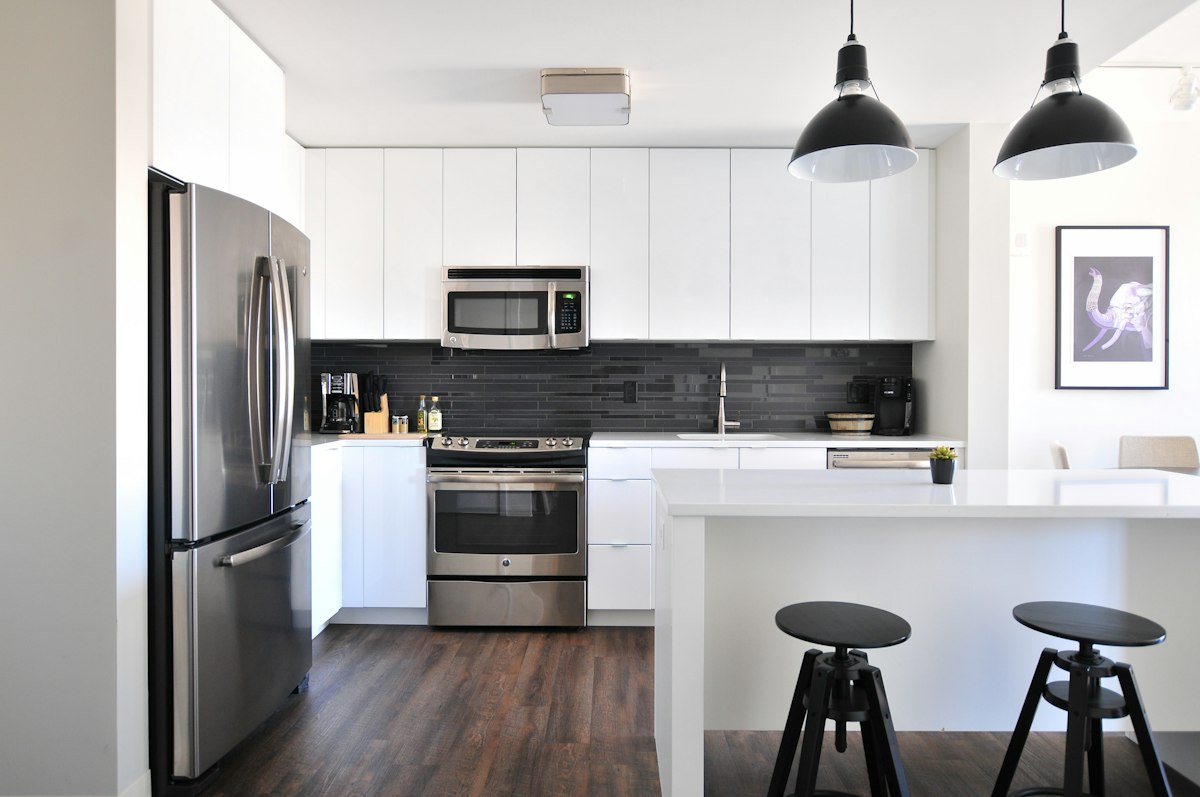
- Upgrade hardware (soft-close hinges/channels if possible)
- Add under-cabinet lighting
- Improve storage with baskets/organizers
- Refresh backsplash (tile/peel-and-stick where suitable)
Bathrooms
- Waterproofing check and leak fixes
- Anti-skid flooring upgrade (safety first)
- Mirror + light upgrade (huge visual improvement)
- Functional accessories (towel bars, shelves)

Smart shopping & vendor tips
- Shop during sale seasons (Diwali, end-of-year clearances)
- Compare prices across vendors and online platforms
- Mix high and low: splurge on focal items, save on supporting elements
- Approve samples (laminates, paints, fabrics) before bulk buying
- Prefer reliable hardware and fittings (cheap hardware fails early)
A simple timeline to avoid delays
Budget renovations go off-track when tasks overlap incorrectly. Use a simple sequence:
- Finalize scope + budget band + priority list
- Confirm measurements + drawings (if carpentry is involved)
- Electrical planning (switch points, lighting, appliance loads)
- Civil fixes + waterproofing (before finishes)
- Carpentry + installations
- Paint + final touch-ups + deep cleaning
Common mistakes to avoid
- Starting without a scope: scope changes = budget creep
- Buying everything first: order after measurements and approvals
- Over-customization: too much custom work increases cost + time
- Skipping waterproofing/electrical safety: expensive repairs later
FAQs
Can I renovate a home under ₹2 lakhs?
Yes—focus on paint, lighting, hardware refresh, and targeted furniture refurbishing. Avoid heavy civil changes and prioritize one hero upgrade per room.
What should I never compromise on?
Waterproofing, electrical safety, and core hardware quality. These affect longevity and prevent costly future repairs.
Is an interior designer worth it for a budget renovation?
Often yes—good planning, correct material choices, and vendor coordination can prevent costly mistakes and rework. A designer also helps you allocate budget where it matters most.
How Dhanvique helps you save
Working with a professional interior team can actually reduce overall spend. At Dhanvique, we help you avoid wrong purchases, control scope, plan timelines, and access better vendor pricing through established networks.
Want a budget renovation plan tailored to your home?
Share your scope and budget band and we’ll recommend the smartest upgrades for maximum impact. Contact Dhanvique to get started.